


Summer schools
The EFL project’s summer schools offer an exceptional setting for advanced training for master’s students, doctoral students, and young researchers interested in language sciences. Held every two years, these schools are designed as intensive spaces for scientific transmission, sharing, and experimentation.
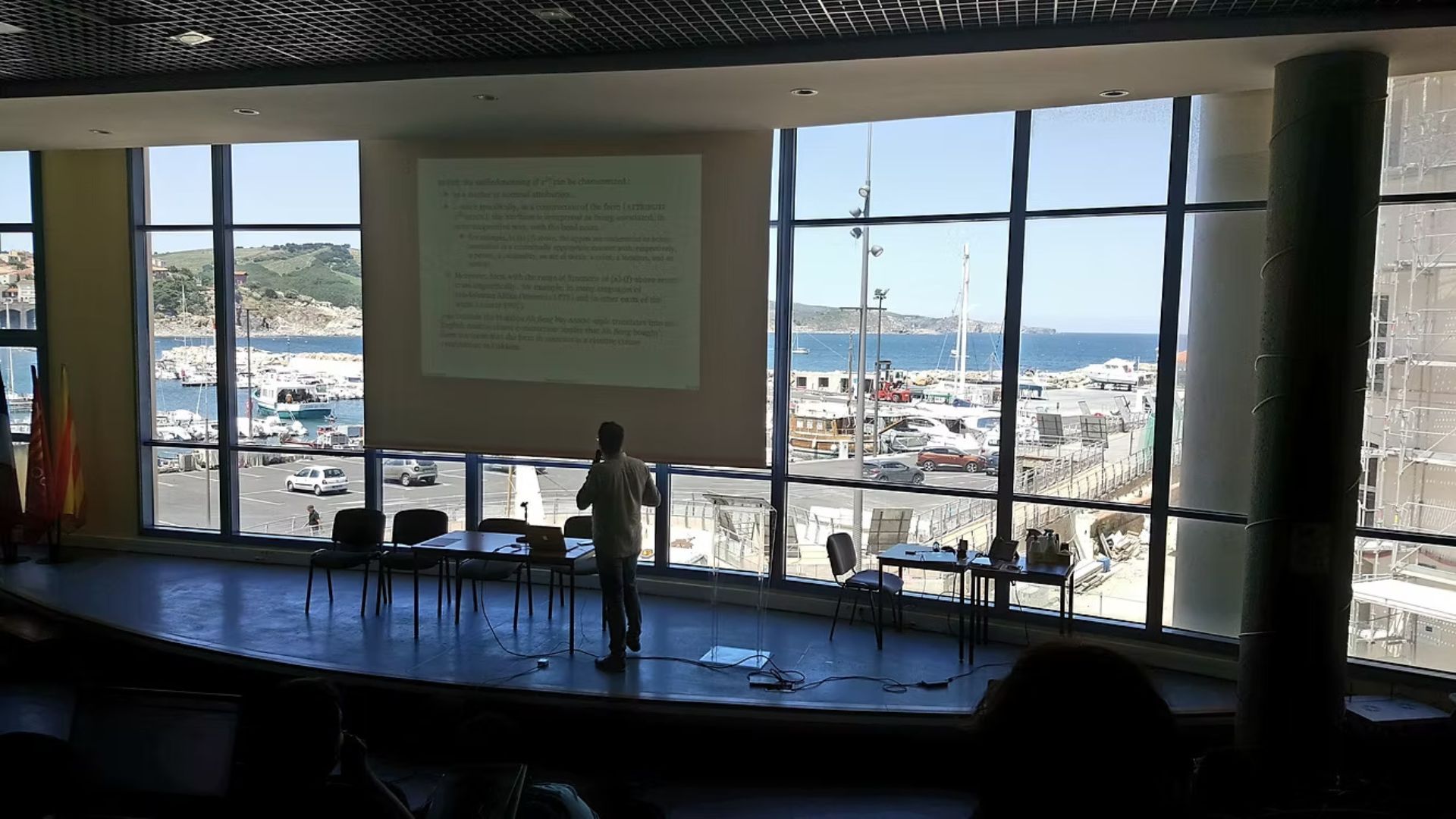
Summer schools are a highlight of the EFL year.
EFL summer schools pursue several complementary objectives:
- To strengthen interdisciplinary training in linguistics by combining approaches from theoretical, experimental, computational, and sociolinguistic linguistics.
- To promote international openness among young researchers by giving them access to recognized experts in their fields.
- To create synergies between the different themes of the EFL project (linguistic variation, cognition, language contact, automatic language processing, etc.).
- To support the development of skills in advanced research tools, new methodologies, or rapidly evolving fields (AI, corpus processing, modeling, etc.).
An innovative and intensive format
The summer schools are designed as intensive residential programs lasting several days. They combine:
- Plenary lectures by internationally renowned researchers;
- Methodological workshops (data collection and processing, automatic processing software, psycholinguistic experimentation, etc.);
- Poster sessions and oral presentations by participants;
- Informal discussion time, encouraging the creation of collaborative networks.
A European and international dimension
The EFL project’s summer schools are open to an international audience and can be co-organized with European partners. They enable young researchers to familiarize themselves with international scientific standards and expand their academic network.
Complementarity with the rest of the EFL offering
These schools are part of a broader training offering, including:
- Regular doctoral seminars;
- Cross-disciplinary research workshops;
- Mobility grants to encourage international internships;
- Strong involvement of EFL consortium supervisors in monitoring training programs.
Read more

Languages and urban mobility in Latin America: seminar with Juan Carlos Godenzzi
On February 17, 2026, WP6 “Language in its social context” welcomes Juan Carlos Godenzzi (University of Montreal) for a conference on linguistic dynamics in three South American capitals

New HTL-EFL Seminar: History and Epistemology of Linguistic Paradigms (2025-2027)
The Laboratory for the History of Linguistic Theories (HTL) is launching a new research seminar in collaboration with the inIdEx EFL project. Entitled “Paradigms: History and Epistemology,”

2025 Open Science Prize: Qumin Awarded for Computational Linguistics
The Ministry of Higher Education and Research has awarded its 2025 Open Source Research Software Prize to Qumin, developed by Sacha Beniamine (former EFL PhD student, supervised by Olivier Bonami) and Jules Bouton (current EFL PhD student, also supervised by Olivier...
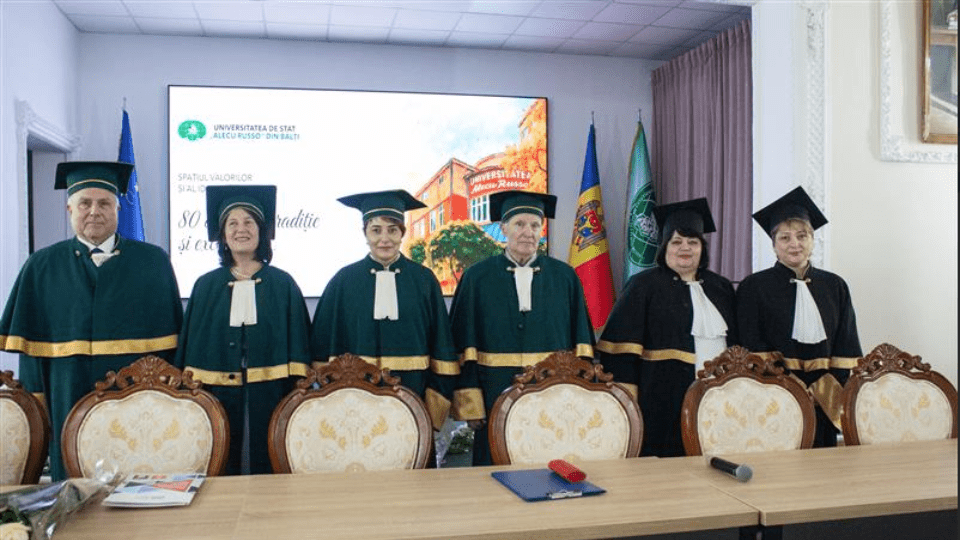
Georgeta Cislaru awarded the title of Doctor Honoris Causa by the State University of Bălți
On December 5, 2025, Georgeta Cislaru, professor and researcher at the CLESTHIA laboratory (Université Sorbonne Nouvelle) and member of the Institut Universitaire de France (IUF), was honored by the “Alecu Russo” State University of Bălți